


Elementary School Resources

Grade
Subject
Check Out Our Educational Games!
-
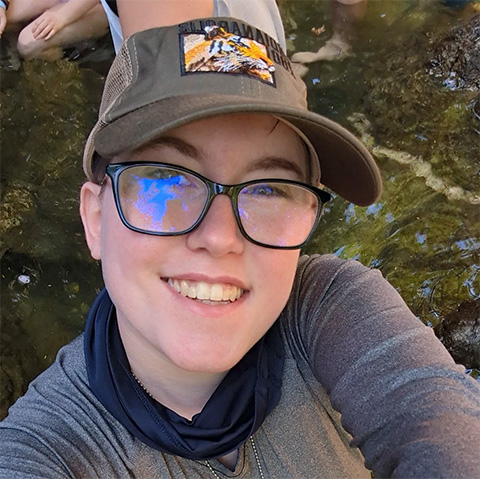
Echoes of El Yunque
- 9th grade
- science
The Puerto Rican Parrot is a remarkable story of near-extinction and on-going recovery. This essay by Ball State Biology student recounts the history of this bird and the work to bring it back from the brink of extinction. Developed as part of a Tropical Ecology Study Abroad experience, Spring 2026.
You are about to leave STRIDeS.bsu.edu

Please be aware that you will be entering an external website. Would you like to continue?
-
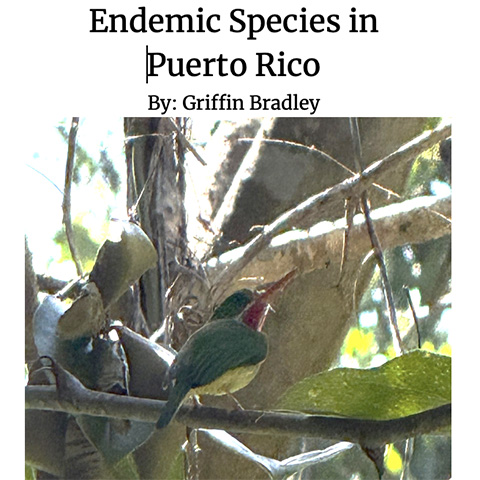
Endemic Species in Puerto Rico
- 8th grade
- science
Puerto Rico is home to several endemic species - those that are found only that location. Biology major Griffin Bradley wrote this information file about three examples of endemic species, based on a Ball State Tropical Ecology Study Abroad experience, Spring 2026.
You are about to leave STRIDeS.bsu.edu
Please be aware that you will be entering an external website. Would you like to continue?
-
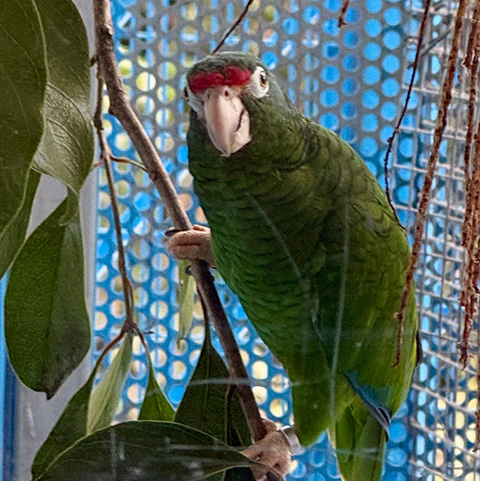
Conservation: A Shared Commitment That Protects Us All
- 6th grade
- science
Puerto Rican parrots are an endangered species in that illustrates the challenges and potential success for conservation around the world. Ball State University biology student Anna Taylor shared a series of posts about her experience in Puerto Rico and what she learned from it.
You are about to leave STRIDeS.bsu.edu
Please be aware that you will be entering an external website. Would you like to continue?
-
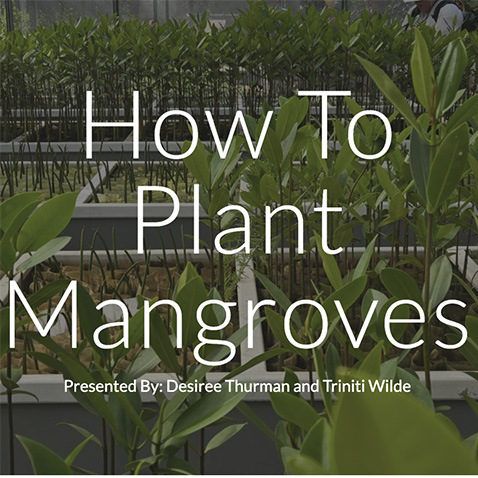
How to Plant Mangroves
- 8th grade
- science
This website provide information about how habitat restoration work at ISER Caribe is working to grown mangroves for relocation on coastlines in Puerto Rico. Produce by Desiree Thurman and Triniti Wilde as part of a Tropical Ecology Study Abroad Experience at Ball State University.
You are about to leave STRIDeS.bsu.edu
Please be aware that you will be entering an external website. Would you like to continue?
-
From the Rain Forest to the Flag:The Ecological Identity of Puerto Rico
- 9th grade
- science
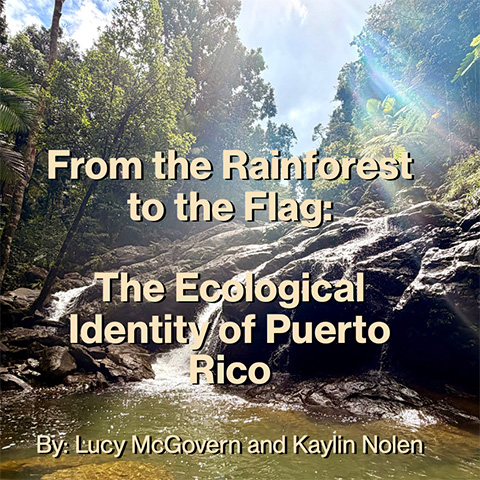
This video is included in the Tropical Ecology podcasts collection developed in a Study Abroad experience in Puerto Rico. It presents a story of the importance of nature in the national identity of Puerto Rico. Produced by Lucy McGovern and Kaylin Nolen, Spring 2026.
You are about to leave STRIDeS.bsu.edu
Please be aware that you will be entering an external website. Would you like to continue?
-
Tropical Ecology of Puerto Rico
- 9th grade
- science
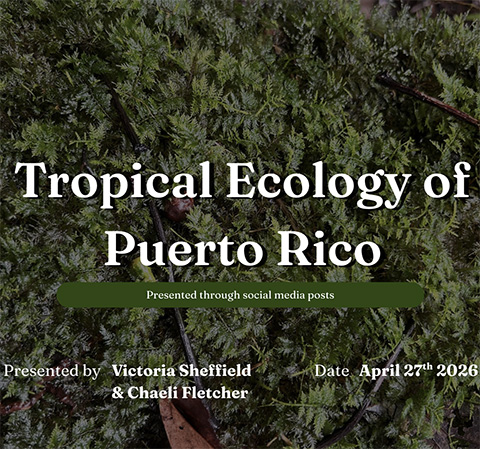
ISER Caribe is an organization working to preserve habitats across Puerto Rico. This website developed by BSU students Chaeli Fletcher and Victoria Sheffield presents a series of Earth Day message to promote the work that ISER Caribe is doing. Developed as a part of a Tropical Ecology Study Abroad experience, Spring 2026.
You are about to leave STRIDeS.bsu.edu
Please be aware that you will be entering an external website. Would you like to continue?
-
Isla de Basura
- 9th grade
- science
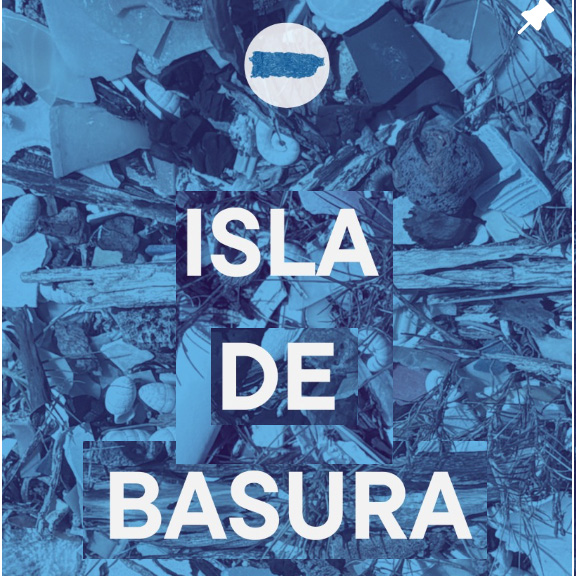
Puerto Rico has a trash problem. This series of Instagram posts help readers learn about the problem, and about how recycling programs can help offer a solution. Produced by Emerging Media Design student Annabelle Price as part of a Tropical Ecology Study Abroad Program, Spring 2026.
You are about to leave STRIDeS.bsu.edu
Please be aware that you will be entering an external website. Would you like to continue?
-
Tropical Ecology Video – mangroves
- 8th grade
- science
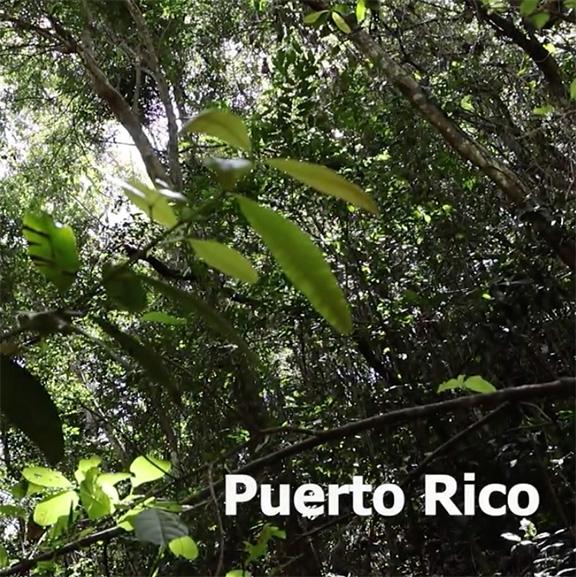
A short video to introduce learners to ecology in Puerto Rico, with an emphasis on the importance of mangroves. Produce by Trey Lawrence, a Media student at Ball State University, as part of a Tropical Ecology Study Abroad experience, Spring 2026.
You are about to leave STRIDeS.bsu.edu
Please be aware that you will be entering an external website. Would you like to continue?
-
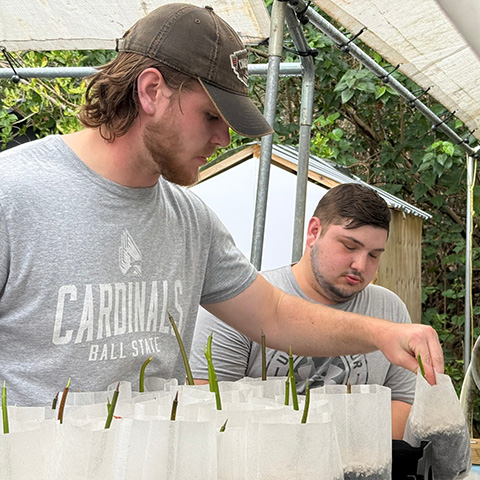
Ecosystems as Defenses
- 8th grade
- science
You are about to leave STRIDeS.bsu.edu
Please be aware that you will be entering an external website. Would you like to continue?
-
Conservation Tales eLearning Corner
- 4th grade
- science
The Conservation Tales project created the eLearning Corner to support teachers during the COVID pandemic. This collection includes activities that can help teachers and students practice inquiry-based science from home. The collection includes links to web sites and downloadable activities for doing science at home.
You are about to leave STRIDeS.bsu.edu
Please be aware that you will be entering an external website. Would you like to continue?
-
Earn Your Stripes!
- 4th grade
- science
Researchers and conservationists who study tigers use specific parts of tigers to use the unique pattern of stripes on each animal to identify individuals. In this web activity, you can learn what features these scientists look for. You can use this to create your own notes about tigers at your favorite zoo or animal sanctuary to help you identify them, too!
You are about to leave STRIDeS.bsu.edu
Please be aware that you will be entering an external website. Would you like to continue?
-
Elephant-Friendly Shopping
- 6th grade
- science
One of the threats to the survival of elephants in the wild is the conflicts between farmers and elephants who damage farm fields, orchards and vegetable gardens. To reduce this conflict, conservationists are trying to promote multi-crop farming to reduce the space needed, and strategies to repel or keep out elephants using safe, natural methods. In this webpage, you can learn how you can support these methods by purchasing the types of produce that is grown through these methods.
You are about to leave STRIDeS.bsu.edu
Please be aware that you will be entering an external website. Would you like to continue?
-
Identify a Butterfly!
- 3rd grade
- science
Can you tell the difference between a male and a female monarch butterfly? In this online learning activity, you will learn to identify these butterflies. Then you can use that to help identify them around your home. The activity includes a quiz to see how well you have learned this scientific skill.
You are about to leave STRIDeS.bsu.edu
Please be aware that you will be entering an external website. Would you like to continue?
-
Restoring Our Coral Reefs – Mini-Documentary Video
- 7th grade
- science
View this video to learn how scientists at Mote Marine Laboratory study, protect and restore coral reefs in the Florida Keys. This video, produced by Faith Oakley, is a companion video from the Conservation Tales Florida Keys series of books. The books support learning for grades 3-8 to teach about conservation and science practices.
You are about to leave STRIDeS.bsu.edu
Please be aware that you will be entering an external website. Would you like to continue?
-
Preparing to View the 2024 Total Eclipse Safely: A Video Article
- 3rd grade
- science
You are about to leave STRIDeS.bsu.edu
Please be aware that you will be entering an external website. Would you like to continue?
-
J is for Jane
- kindergarten
- science
You are about to leave STRIDeS.bsu.edu
Please be aware that you will be entering an external website. Would you like to continue?
Check Out Our Interactive Games!
-
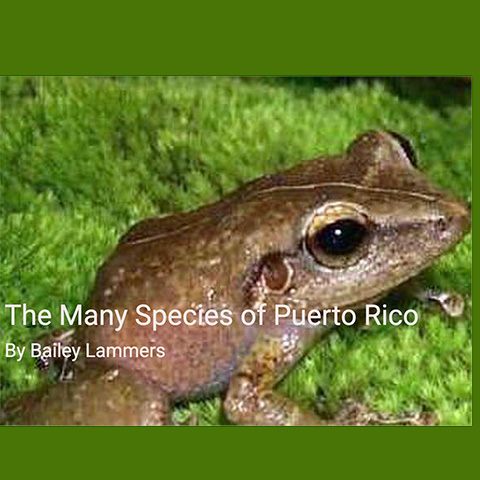
The Many Species of Puerto Rico
- 6th grade
- science
Practice identifying and answering questions about wildlife in Puerto Rico in this interactive game. Ball State University biology student Bailey Lammers developed this game as part of a Tropical Ecology Study Abroad experience in Spring 2026.
You are about to leave STRIDeS.bsu.edu
Please be aware that you will be entering an external website. Would you like to continue?
-
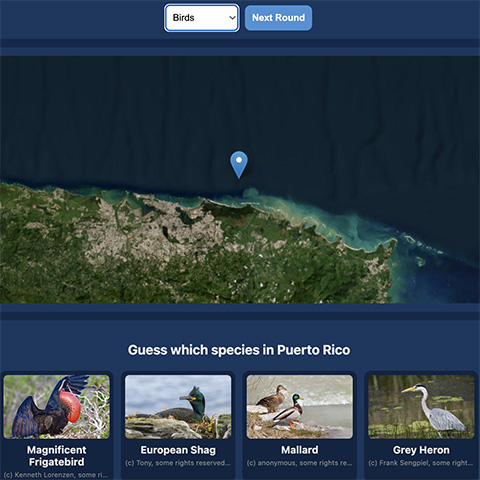
Puerto Rican species game
- 8th grade
- science
An interactive game to practice identify species found in Puerto Rico. This game is produced by Caden Zuehsow, a biology student at Ball State University, based on a Tropical Ecology experience in Spring 2026.
You are about to leave STRIDeS.bsu.edu
Please be aware that you will be entering an external website. Would you like to continue?
-
Identify a Butterfly!
- 3rd grade
- science
Can you tell the difference between a male and a female monarch butterfly? In this online learning activity, you will learn to identify these butterflies. Then you can use that to help identify them around your home. The activity includes a quiz to see how well you have learned this scientific skill.
You are about to leave STRIDeS.bsu.edu
Please be aware that you will be entering an external website. Would you like to continue?
-
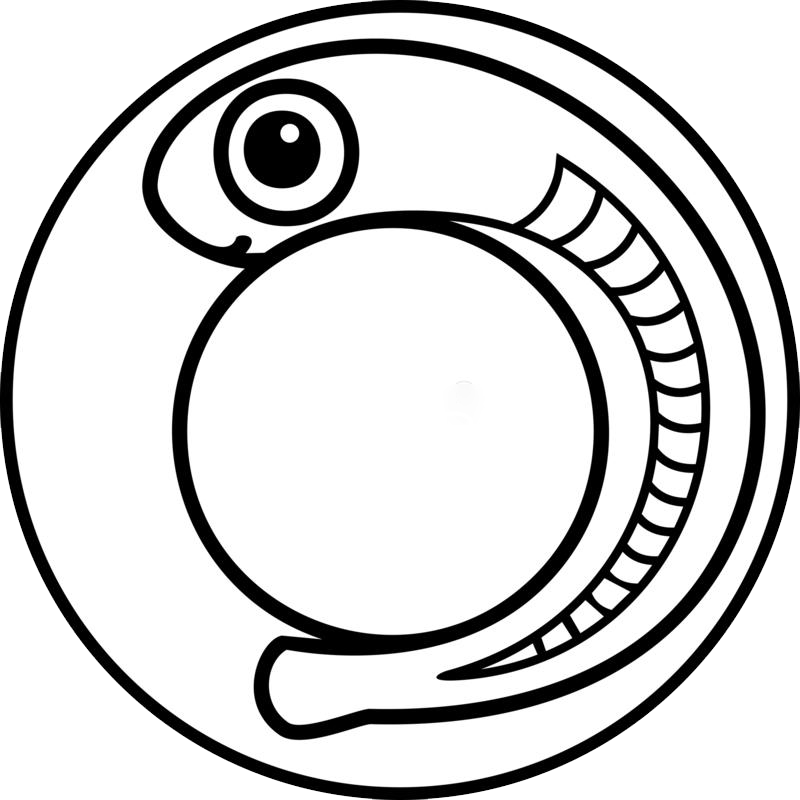
Fish Go To School? An ADI Lesson Plan
- 8th grade
- science
Download the "Fish Go To School?" Lesson Plan, a science unit for middle and high school classrooms. This lesson is developed in the Argument Driven Inquiry (ADI) format to help learners practice doing science as scientists do! In this lesson, students learn about research being conducted at Ball State University in the Animal Behavior Lab, led by Dr. Jessica Ward. Students view short video clips describing how the researchers study the way fish embryos can learn to identify and avoid predators while still in the egg. Learner reflect on ideas that lead to their own plan to investigate this phenomenon, then collect and analyze data, create scientific arguments that they present to peers, revise and submit to the teacher. Downloadable Files include the Teacher Materials, a Student Packet, and a set of Powerpoint slides teachers can use in the classroom. All three of these files include links to three videos that students will view at key steps in the investigation. The lesson is aligned with Next Generation Standards (NGSS).
You are about to leave STRIDeS.bsu.edu
Please be aware that you will be entering an external website. Would you like to continue?
-
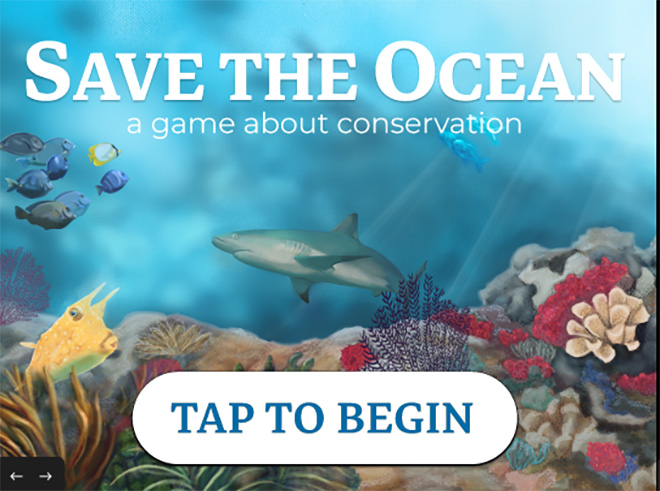
Save the Ocean! A Coral Game from Conservation Tales
- 5th grade
- science
This game lets learners simulate the coral restoration work done by Mote Marine Laboratory's International Coral Reef Research and Restorations team to rebuild coral reef ecosystems in the Florida Keys! Select a coral species, and help "fragment" the corals to grow more. Then help grow them in an ocean nursery, and eventually plant them on a coral reef! Play them game on the web, or install the Figma app to play the game there! This game is based on the Conservation Tales team's collaboration with Mote, and reflects the real science practices used in the field
You are about to leave STRIDeS.bsu.edu
Please be aware that you will be entering an external website. Would you like to continue?
Check Out Our Videos Games!
-
From the Rain Forest to the Flag:The Ecological Identity of Puerto Rico
- 9th grade
- science
This video is included in the Tropical Ecology podcasts collection developed in a Study Abroad experience in Puerto Rico. It presents a story of the importance of nature in the national identity of Puerto Rico. Produced by Lucy McGovern and Kaylin Nolen, Spring 2026.
You are about to leave STRIDeS.bsu.edu
Please be aware that you will be entering an external website. Would you like to continue?
-
Fish Go To School? An ADI Lesson Plan
- 8th grade
- science
Download the "Fish Go To School?" Lesson Plan, a science unit for middle and high school classrooms. This lesson is developed in the Argument Driven Inquiry (ADI) format to help learners practice doing science as scientists do! In this lesson, students learn about research being conducted at Ball State University in the Animal Behavior Lab, led by Dr. Jessica Ward. Students view short video clips describing how the researchers study the way fish embryos can learn to identify and avoid predators while still in the egg. Learner reflect on ideas that lead to their own plan to investigate this phenomenon, then collect and analyze data, create scientific arguments that they present to peers, revise and submit to the teacher. Downloadable Files include the Teacher Materials, a Student Packet, and a set of Powerpoint slides teachers can use in the classroom. All three of these files include links to three videos that students will view at key steps in the investigation. The lesson is aligned with Next Generation Standards (NGSS).
You are about to leave STRIDeS.bsu.edu
Please be aware that you will be entering an external website. Would you like to continue?